
Teen, S.E.E. Your Golden Growth Potential
“Why is everyone else getting taller… except me?”
If you've ever asked yourself that question, you're not alone. Height is one of the biggest concerns among teens today, especially in a world where social media constantly encourages comparison.
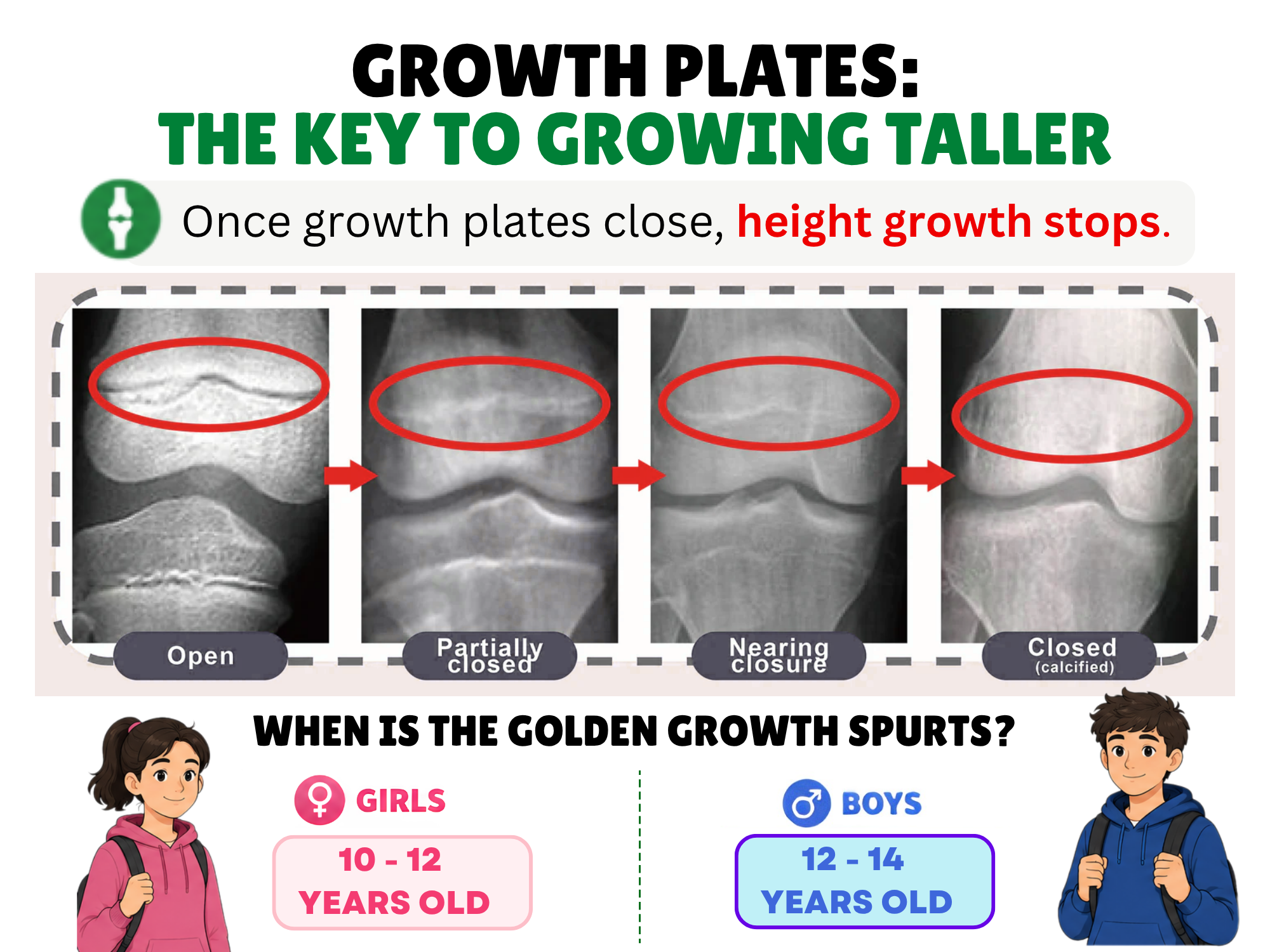
But here's something many people don't realise: height growth isn't determined by genetics alone. Yes, your genes determine your height potential. But what actually controls whether you can continue growing taller are your growth plates1— the areas at the ends of your long bones where new bone growth takes place during childhood and adolescence. Think of growth plates as your body's height-building zones. As long as they remain open, your bones can continue growing longer and you still have the opportunity to grow taller.
The good news? While you can't change your genes, you can influence how well your body maximizes the height potential your genes have already given you. That's why what you do during your teenage years matters so much.
During puberty, your body enters its fastest phase of growth, often called the golden growth window. Growth spurts typically occur between ages 10-12 for girls and 12-14 for boys2, and this rapid growth phase usually lasts about four years. During this time, teens can grow up to 8-12 cm per year.
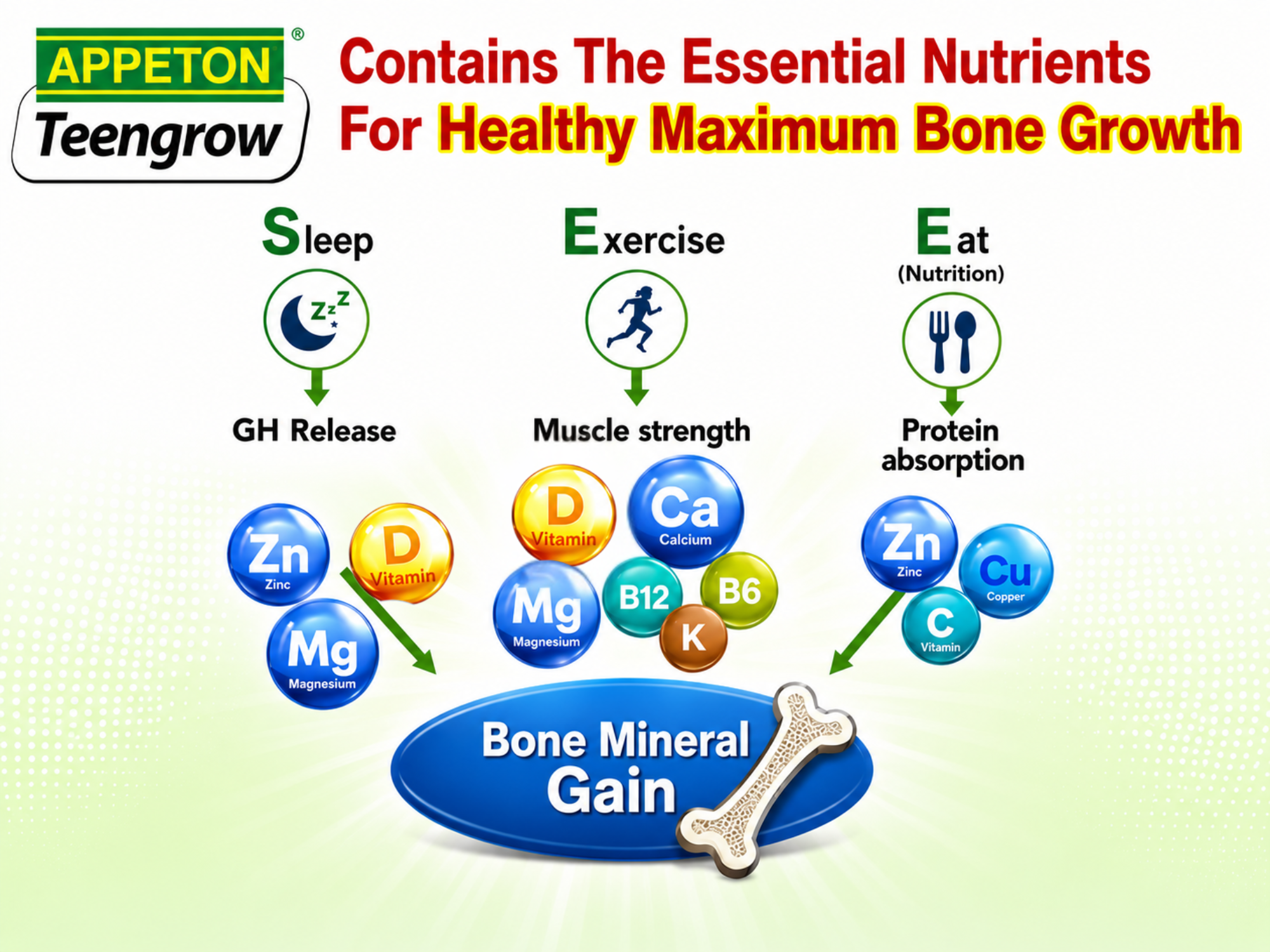
To make the most of this window, remember three simple habits: S.E.E - Sleep Well, Exercise Well and Eat Well. Why are these habits important? Because growth plates don't work on their own. They need the right conditions to support growth. Sleep provides the growth signals. Exercise provides the growth stimulus. Nutrition provides the building materials. Together, they help support healthy bone growth and allow your body to make the most of its natural growth potential3.
Sleep Well - Your body does some of its most important growth work while you sleep. During deep sleep, growth hormone is released to support bone growth and development, especially between 10 PM and 2 AM4. Regularly sleeping late may reduce the time your body has to recover, repair, and grow. Aim for 8-10 hours of sleep each night and maintain a consistent bedtime.
Exercise Well - Movement sends important signals to your bones and muscles. Activities such as running, jumping, badminton, basketball, and swimming favors higher total bone mineral density and strengthen the muscles that support growth5. You don't need intense training. Staying active for at least 60 minutes a day can make a real difference.
Eat Well – During puberty, your body needs a steady supply of nutrients such as protein, calcium, vitamin D, zinc, and magnesium to support rapid bone and muscle development.6 However, many teens skip meals or rely on processed snacks and sugary drinks, which replaces more nutritious choices like milk and balanced meals. Excessive intake of sugar, caffeine, and phosphoric acid (E338)—commonly found in cola and certain carbonated soft drinks—may disrupt the balance between calcium and phosphorus, particularly when calcium intake is inadequate. Over time, this may negatively affect bone health. Choosing balanced meals that include calcium-rich foods, fruits, vegetables, adequate protein, and plenty of water can help support healthy growth and development.
Of course, real life isn't always perfect. Busy schedules, meal skipping, and inadequate dietary intake can make it challenging for some teens to get all the nutrients they need every day. That's where additional nutritional support may help.
Appeton Essentials Teengrow is specially formulated for teenagers aged 11-19 years old and contains essential vitamins and minerals that support healthy growth and active development during the golden growth years. It is designed to complement healthy lifestyle habits by helping to support the nutritional needs involved in bone development and growth. Each caplet is also made using advanced Spray Drying Beadlet Technology, which helps protect sensitive vitamins from heat, light, and air degradation.
At the end of the day, growth happens differently for everyone. What matters most is not comparing yourself to others, but giving your body the support it needs during this important phase of life.
Start with the basics. Stay consistent and you will S.E.E. the results.

Learn more: APPETON ESSENTIALS TEENGROW
References:
- Breeland, G. et al., (2023) Embryology, bone ossification. StatPearls - NCBI Bookshelf.
- Balasundaram, P., & Avulakunta, I. D. (2023, March 8). Human growth and Development. StatPearls - NCBI Bookshelf.
- Mirtz, T. A., et al (2011). The effects of physical activity on the epiphyseal growth plates: a review of the literature on normal physiology and clinical implications. Journal of clinical medicine research, 3(1), 1–7. https://doi.org/10.4021/jocmr477w
- Gabrielle B. et al (2000). Effect of sleep deprivation on overall 24 h growth-hormone secretion,356(9239), 1–. doi:10.1016/s0140-6736(00)02847-6
- Zhang W, et al. (2024) Effects of exercise on bone mass and bone metabolism in adolescents: a systematic review and meta-analysis. Front. Physiol. 15:1512822. doi: 10.3389/fphys.2024.1512822
- Perez-Lopez, F. et al (2010). Bone Mass Gain During Puberty and Adolescence: Deconstructing Gender Characteristics. Current Medicinal Chemistry, 17(5), 453-466. doi:10.2174/092986710790226138